
1 min read
Stop Managing Service Providers. Start Orchestrating Outcomes.
Every default servicing executive knows the frustration. An attorney misses a milestone. A property preservation order falls through the cracks. A...
4 min read
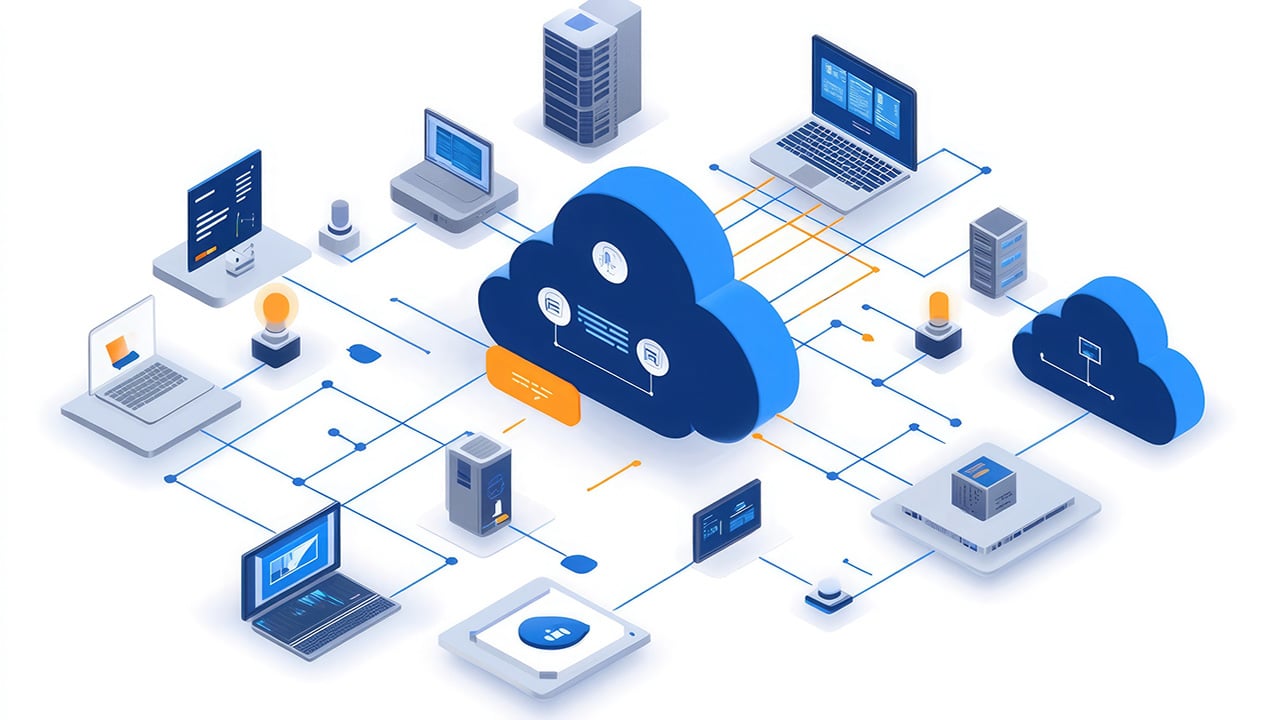
Today’s default servicing operations are under intense pressure—from increased regulatory scrutiny and changing investor requirements to growing borrower vulnerability and constant volume fluctuations. In an effort to ease that pressure, many servicing organizations have “gone digital.” Paper files have been replaced by portals, spreadsheets by dashboards, and emails by task queues. Yet for many default servicers, these efforts have not produced the meaningful outcomes that were expected. Cycle times remain long, costs continue to rise, and teams still struggle with rework, delays, and inconsistent execution.
In this environment, technology investments should be delivering measurable gains. Too often digital tools simply replicate legacy processes in electronic form, preserving complexity instead of reducing it. Real progress in default servicing doesn’t come from just digitizing tasks. It comes from fundamentally rethinking how work is coordinated, controlled, and executed across the default lifecycle.
Technology investments in default servicing often fall short because they improve visibility without improving execution. To understand whether a platform is driving real performance, servicers must distinguish between digitizing existing processes and transforming how work is actually managed.
Digitization typically focuses on converting manual work into electronic form without changing the underlying process design. Common characteristics include:
In these environments, legacy processes remain largely intact beneath new interfaces. Work may be documented digitally, but it is still coordinated through emails, spreadsheets, and informal workarounds that introduce risk. The result is more tools and more activity, without meaningful improvement in outcomes.
True transformation takes a different approach. Rather than managing tasks in isolation, transformed environments coordinate execution across loss mitigation, foreclosure, bankruptcy, and compliance as an interconnected system. Key characteristics include:
End-to-end orchestration across loss mitigation, foreclosure, bankruptcy, and compliance
Dynamic workflows that manage dependencies, deadlines, and exceptions in real time
Embedded decisioning and automation that guide staff through complex scenarios
Centralized business rules that enforce policy consistently and adapt as requirements change
Real-time visibility into progress, bottlenecks, and risk—at both case and portfolio levels
Instead of simply recording activity, transformed platforms actively direct work by reducing handoffs, eliminating rework, and ensuring that the right actions happen at the right time, especially in high-risk, high-volume environments.
In default servicing, meaningful improvement does not come from adding more features or tools. It comes from capabilities that reduce operational friction, enforce consistency, and strengthen execution across the lifecycle.
Default servicing is not a single process, but a series of interdependent activities. Platforms that manage sequencing, dependencies, and deadlines in real time reduce manual follow-up and prevent breakdowns at handoffs. By routing exceptions early and keeping work moving in the correct order, servicers can shorten cycle times and control operational costs.
In an environment where investor and regulatory requirements change frequently, consistency becomes both a performance driver and a risk control. When policies are centralized and embedded directly into execution, workflows can automatically adapt as requirements change, ensuring the right actions are taken at the right time. This approach prevents non-compliant work paths before they create downstream exposure and supports fair, consistent treatment of borrowers.
Better outcomes require actionable intelligence, not just reporting. Effective platforms help teams understand what needs attention now by prioritizing work based on risk, timelines, and borrower status. This enables earlier intervention, faster decision-making, and a shift from reactive processing to proactive, exception-driven servicing.
Servicers today face an expanding ecosystem of fintech platforms and point solutions, each promising efficiency, compliance, or improved borrower engagement. Many investments fall short because they are driven by feature comparisons rather than execution outcomes. As options multiply, distinguishing between surface-level digitization and technology that materially improves default operations becomes more difficult.
When evaluating technology, servicers should focus on questions that tie directly to execution:
The most effective technology decisions prioritize execution over aesthetics. Platforms that deliver lasting value provide a stable foundation for default servicing by coordinating people, processes, and policies while adapting to change.
CLARIFIRE is designed as a workflow foundation for default servicing and not just another tool layered onto an already complex technology stack. Rather than digitizing individual tasks, CLARIFIRE orchestrates how work is executed across the default lifecycle, providing a structured yet flexible framework that aligns people, systems, and processes end to end.
At its core, CLARIFIRE is built to support the realities of default servicing as it is:
CLARIFIRE actively directs work in real time. Dynamic workflows manage dependencies, deadlines, and exceptions, reducing handoffs and eliminating rework before it escalates into risk. Teams gain clear visibility into status, bottlenecks, and exposure which allows them to focus on high-value decisions rather than manual coordination.
Most importantly, CLARIFIRE enables continuous improvement rather than one-time digitization. As servicing strategies, volumes, and regulations evolve, organizations can refine execution deliberately over time leading to lower operational costs, improving borrower experience, and maintaining compliance while increasing efficiency.
Default servicing does not need more tools. It needs better alignment between strategy, execution, and outcomes. Modernizing interfaces alone does not address the operational realities servicers face every day. Real progress comes from disciplined execution that can withstand regulatory change, volume volatility, and growing complexity.
Servicers that move forward successfully focus on platforms that orchestrate work end to end, enforce policy through execution, and adapt as requirements evolve. These capabilities drive measurable improvements in efficiency, compliance, and borrower experience. The future of default servicing belongs to workflow-driven platforms that manage complexity rather than replicate it—delivering outcomes that matter, not just digital versions of the past.
To schedule a demo, visit our website, or follow us on LinkedIn and X.

Jane has applied her vast experience (over 25 years) operating process-driven businesses to successfully redefine client-focused service. Jane has worked with expert programmers to apply cutting-edge web-based technology to automate complex processes in industries such as Financial Services, Healthcare and enterprise workflow. Her vision confirms Clarifire's trajectory as a successful, scaling, Software-as-a-Service (SaaS) provider. A University of South Florida graduate, Jane has received many awards related to her entrepreneurial skills.
Like this article? Feel free to share this with a friend or colleague!

1 min read
Every default servicing executive knows the frustration. An attorney misses a milestone. A property preservation order falls through the cracks. A...

1 min read
For years, the mortgage servicing industry has chased "connectivity" as the ultimate solution to operational friction. On paper, the idea makes...

1 min read
Following up on our last blog, ‘Servicing Answers to High Interest Rate Pressures,’ it is crucial that mortgage servicers do not succumb to the...